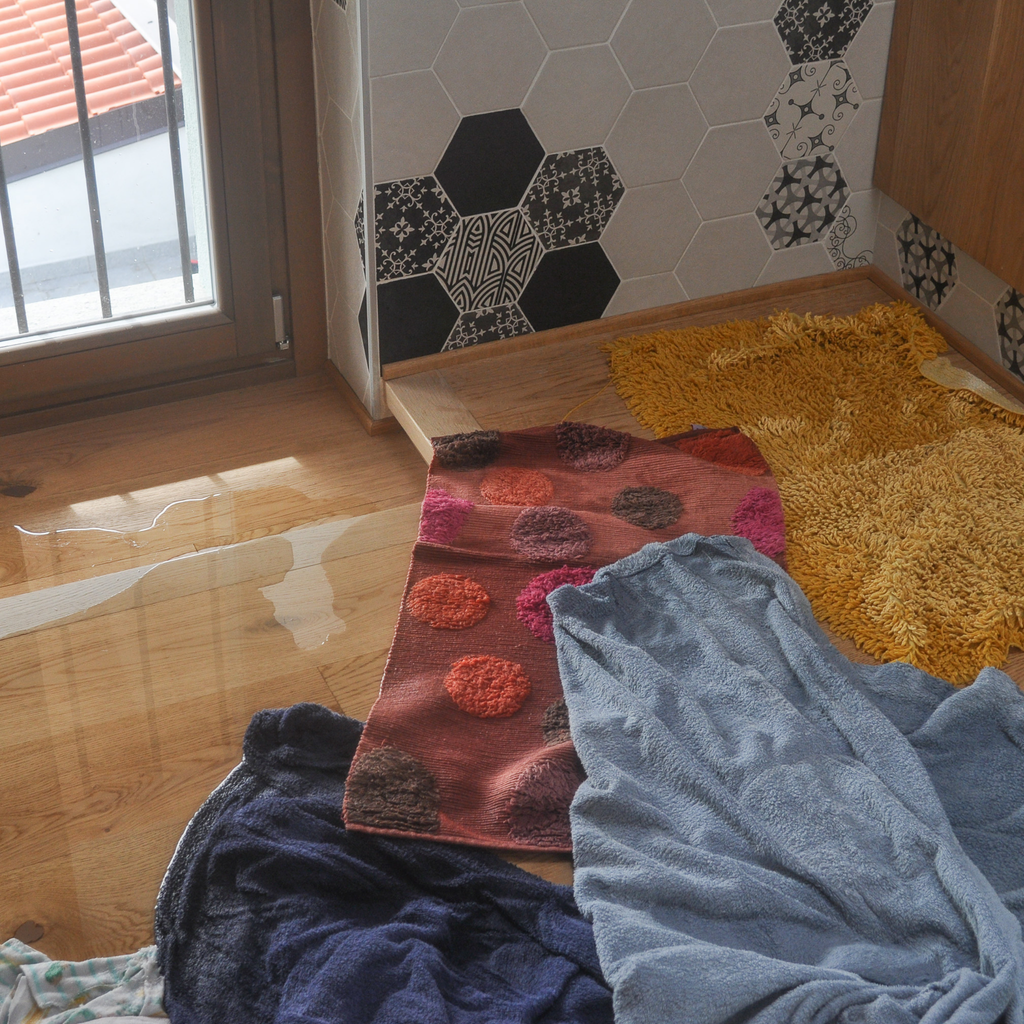


If you ask local Las Vegas residents about mold, you’ll hear the same answer: “It’s too dry here for that.” Which is true that our air is dry most of the year, but mold doesn’t need humid weather. Mold needs moisture, a surface to feed on, time, and the inside of a house can provide all three, even in the middle of the Mojave Desert.
Where Hidden Moisture Comes From in Las Vegas Homes
The water that causes mold in local homes rarely comes from the sky. It usually comes from the systems that keep our homes running through the extreme heat.
AC condensate lines. The air conditioner at home can pull moisture out of the air and drain it through a condensate line. During our long summers, that system runs almost constantly. When the line clogs with algae or debris, water backs up and can overflow into ceilings, attics, or the walls around your air handler.
Water heaters. The Las Vegas hard waters leave water sediment inside water heater tanks, which can shorten their lifespan. A tank that’s slowly failing may seep water into the closet or garage floor and nearby walls long before it fails completely.
Slow leaks under sinks and behind dishwashers. A loose supply line or worn seal might release only a few drops at a time. Behind a dishwasher or inside a cabinet, those drops can soak the subfloor and drywall for months without anyone noticing.
Swamp coolers. Evaporate coolers are still common in older Las Vegas homes. They run on water, and a cracked pan, a stuck float valve, or a damaged roof seal can send moisture into the ceiling below.
How a Small Leak Becomes a Big Problem
The Las Vegas dry air dries surfaced quickly, which is why hidden leaks are so easy to miss. For example, a wet floor dries out in an afternoon. The water that was soaked into drywall, wood framing, or cabinet bases can stay trapped for weeks.
The drywall paper and wood framing give mold everything it needs to feed on. Once the moisture settles in, it can begin growing within a day or two and spread quietly inside the wall. And once homeowners start to notice the musty smell, discolored paint, or bubbling drywall, the growth behind the surface is often much larger than what shows
Why Bleach Isn’t the Answer
You may want to grab a bottle of bleach when you spot mold, but that is not the answer. Bleach can lighten the stain on a hard surface, but not directly solve the problem. Drywall and wood are porous materials and bleach does not reach the growth beneath the surface. The mold often returns and scrubbing it can release spores into the air.
The professional remediation deals with the whole problem. It starts with finding and fixing the moisture source. Then technicians contain the affected area so spores don’t spread, filter the air with HEPA equipment, remove contaminated materials that can’t be saved, clean the remaining surfaces, and dry the structure thoroughly so the mold doesn’t come back.
Schedule an Inspection
If you’ve noticed a musty odor, unexplained stains, or a water bill that seems too high, there may be moisture hiding in your home. American Restoration Services can inspect your home, find the source, and restore it safely. Contact our team today to schedule an inspection.